
In-house SEO vs. agency? How to decide
- Opinion
- SEO
Social media can feel like a daunting space for professional services businesses. A common concern we hear from clients is that having a presence on platforms like Instagram or TikTok means they are compromising their professional image, or creating content that doesn’t align with their brand. However, as online visibility continues to evolve, maintaining a social media presence is becoming increasingly difficult to avoid. The good news is that using social media doesn’t mean chasing every trend or sacrificing credibility – it’s about finding the right balance between professionalism and authenticity.
In this blog, we’ll show you:
Social media’s role for professional services businesses has shifted far beyond simple promotion. It’s now about how your business shows up across platforms like LinkedIn, Instagram, TikTok, Facebook and X, and how that presence shapes audience perception.
As you know from our previous blog ;), search behaviour is no longer linear. People don’t just find you through Google and go straight to your website – they move between social media, reviews, websites and AI tools throughout their decision-making journey. Increasingly, discovery often starts on social platforms and is then reinforced elsewhere.
Because of this, social media now contributes to how your brand is understood across the wider web. It indirectly supports your E-E-A-T (Experience, Expertise, Authoritativeness and Trustworthiness) signals by helping demonstrate your knowledge, credibility and consistency across multiple channels.
It also helps ensure your business is visible in AI-driven search results and overviews, where authority is built from a range of trusted online sources – not just your website alone.
Ultimately, social media isn’t just about marketing services. It’s about showing up where your audience is already researching, building trust, and reinforcing your expertise across the digital journey.
Let’s get one thing straight – being professional does not mean being robotic. Don’t be afraid to show personality. In fact, that’s often what makes a business more trusted in the first place.
Being personal does not mean sharing every part of your private life. When maintaining professionalism on social media, there is still a clear line that shouldn’t be crossed, such as sharing personal opinions that sit outside your business or expertise. For instance, political views or commentary that don’t align with your professional positioning can dilute your message, distract from your expertise and introduce unnecessary risk.
However, this line should not prevent businesses from showing the human side of their brand. Sharing milestones, company culture, the origin or story of your brand, etc has real benefits; it helps build trust, improves relatability, and strengthens how authentic your brand appears – not just to your audience, but in the eyes of Google and across search more widely.
Think of your business as an individual with a personality of its own. The aim is not to strip personality out, but to channel it appropriately. Be human, but intentional. When this balance is done well, your audience connects with the people behind the business while still trusting the credibility of your service itself.
We know social media is no longer just a platform for direct to consumer brands, and for professional services businesses, it offers an opportunity to build visibility, credibility and stronger relationships with your audience.
While social media offers clear benefits, it also comes with risks that professional services businesses need to manage carefully.
Used without structure or intent, social media can do more harm than good – which is why strategy and boundaries are essential!
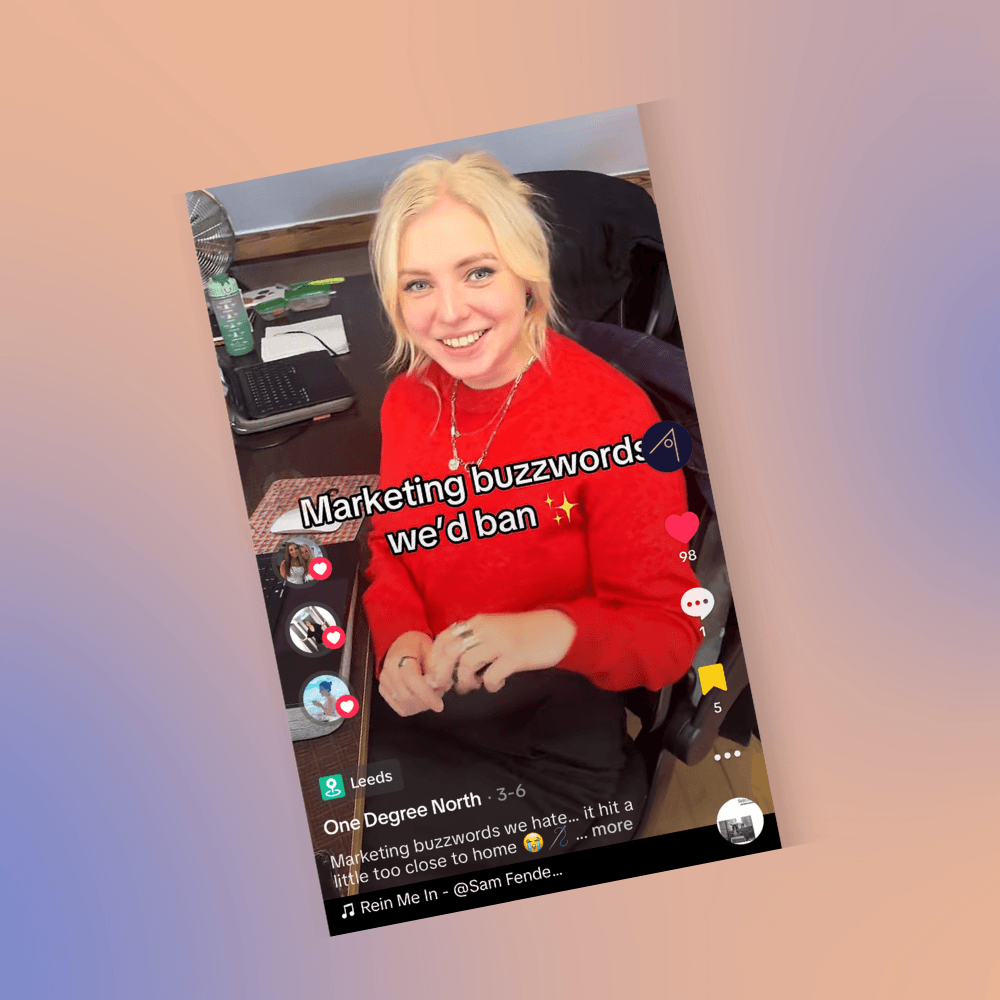
Sometimes using social media can make you look like this…
But don’t stress – let’s show you how to actually approach it properly.
The concern for professional services businesses shouldn’t be deciding whether to use social media, but how to use it without diluting credibility. The strongest strategies treat social media as an extension of positioning, not just a content channel.
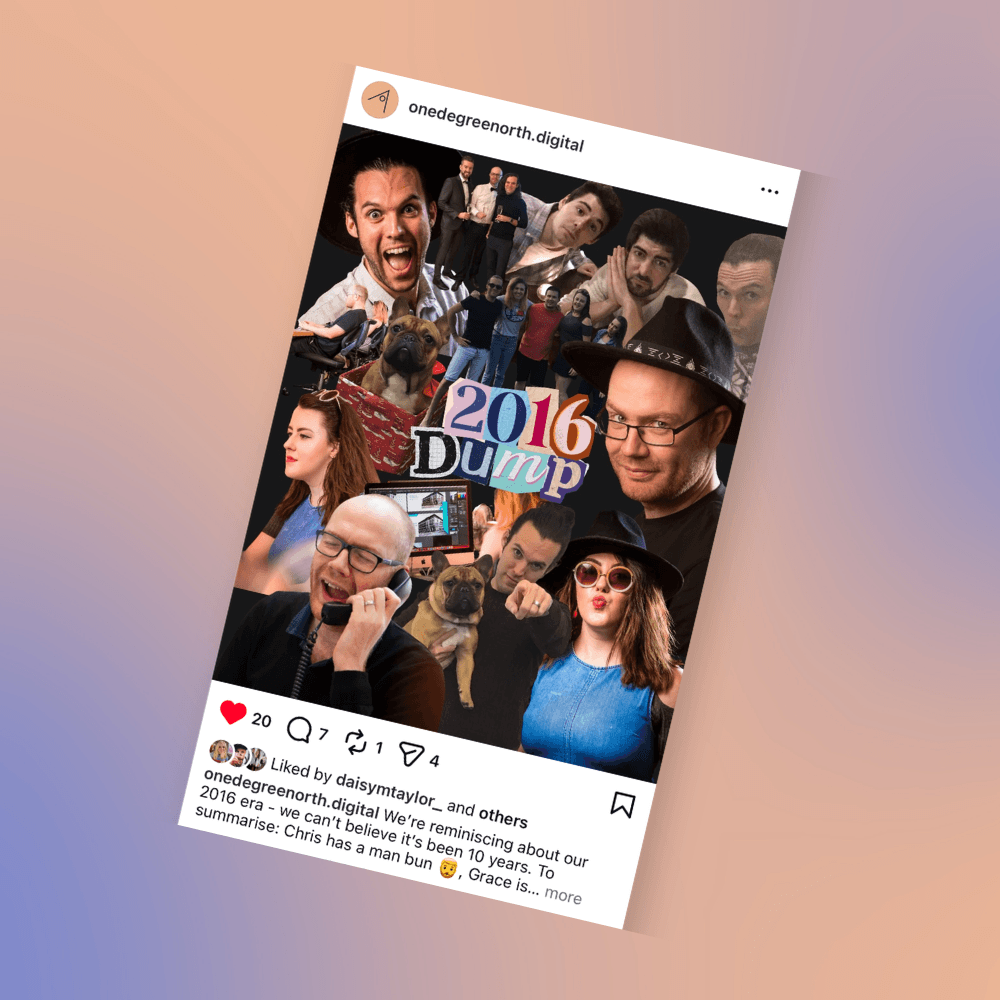
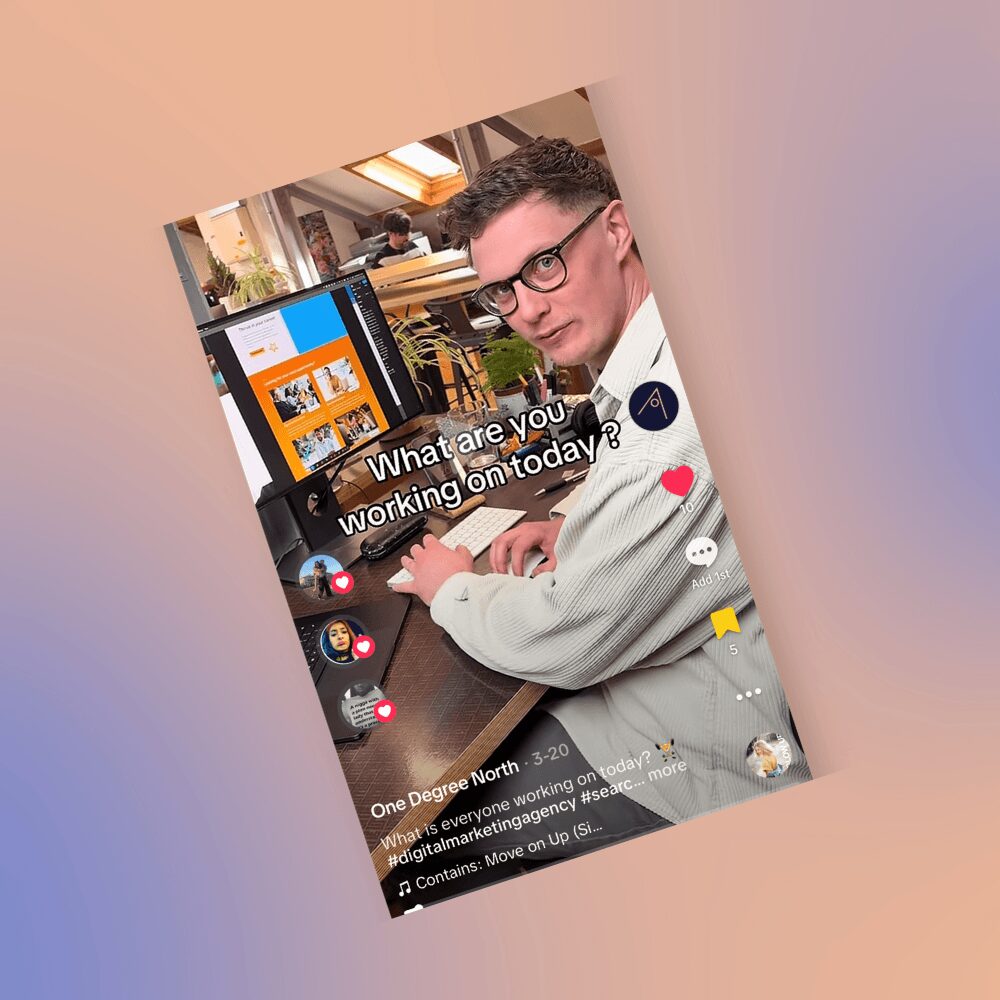
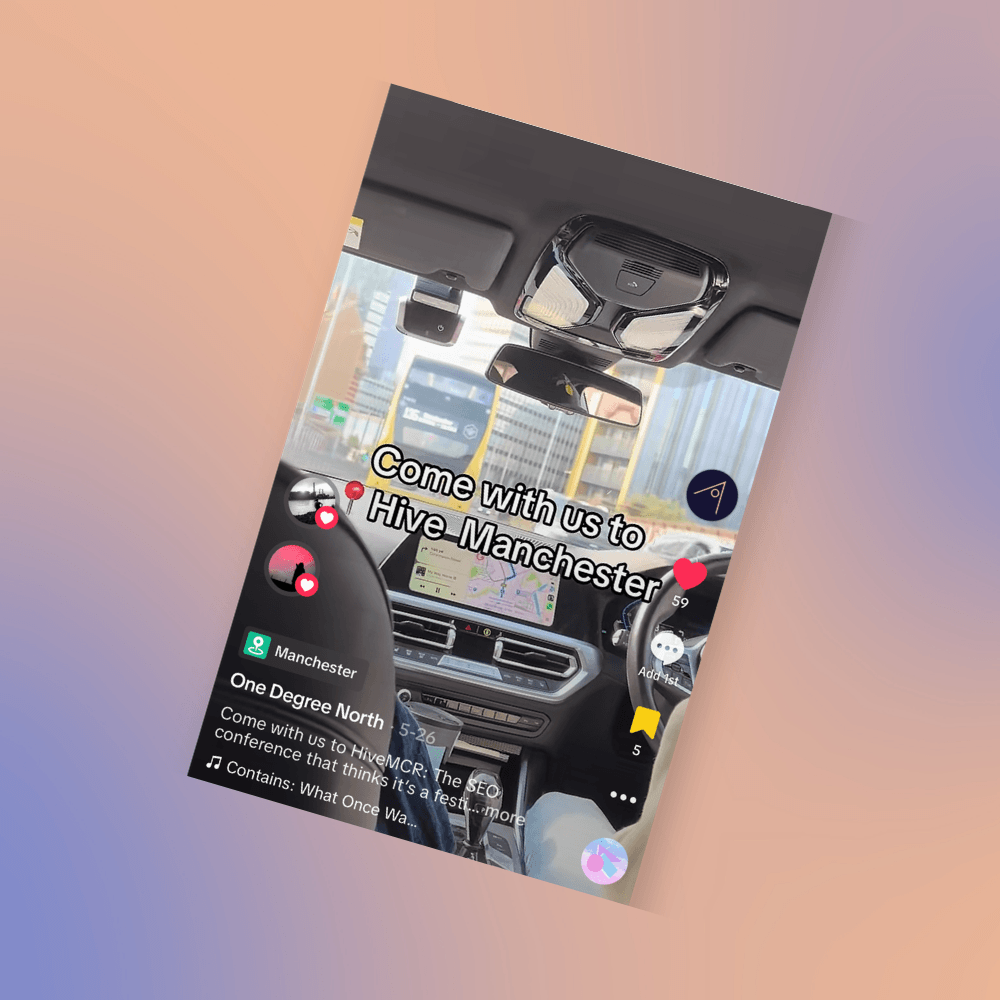
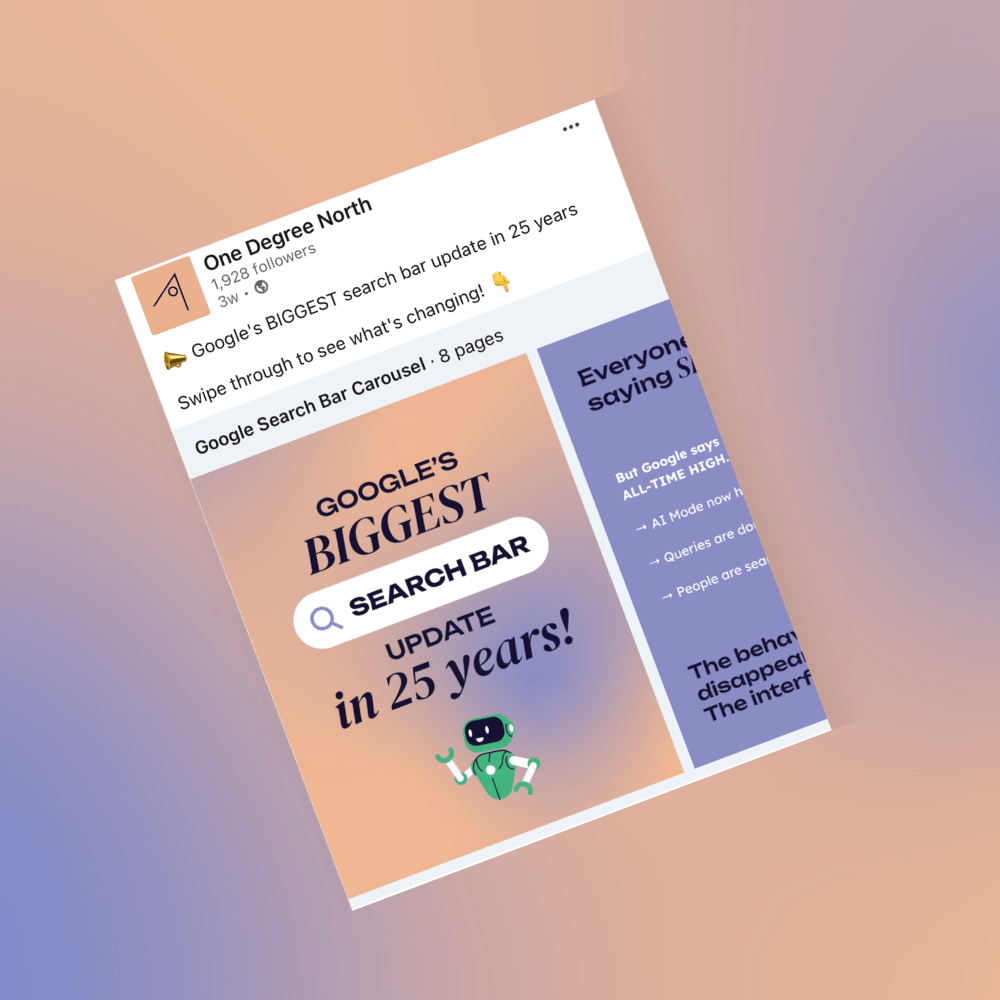
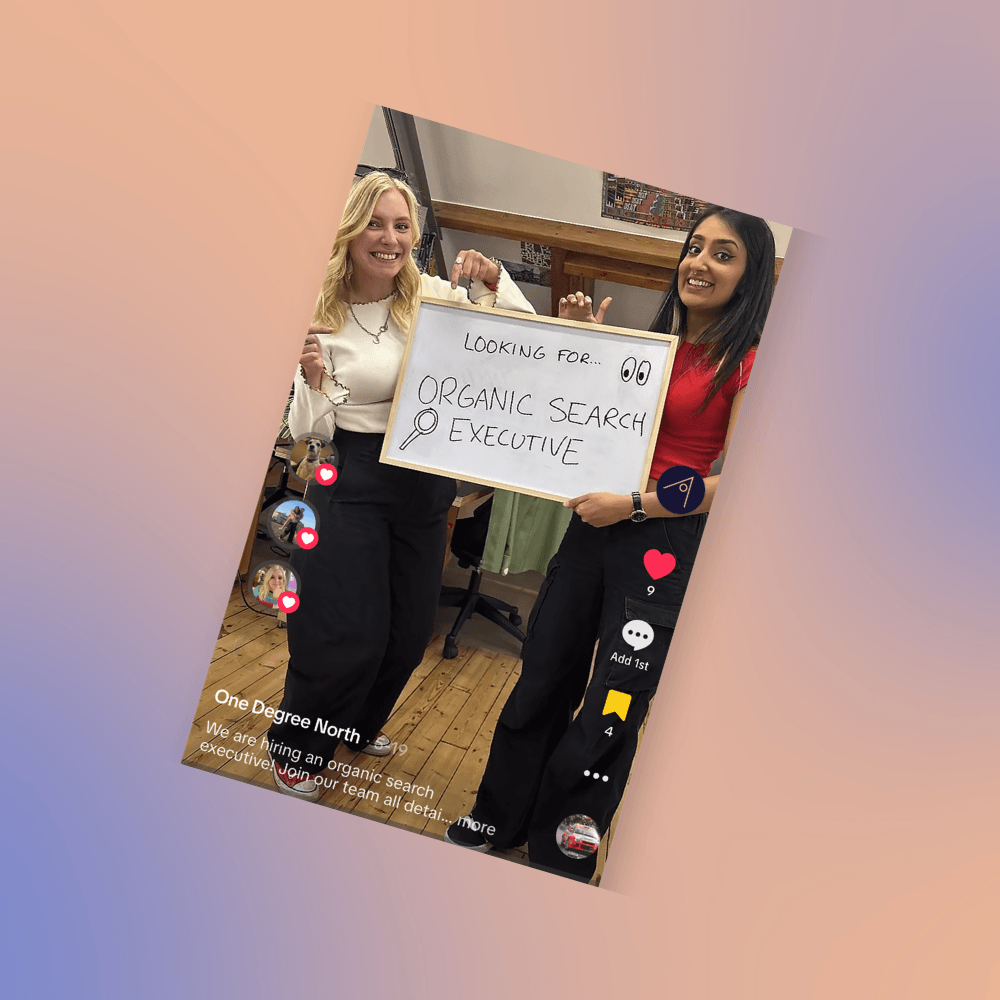
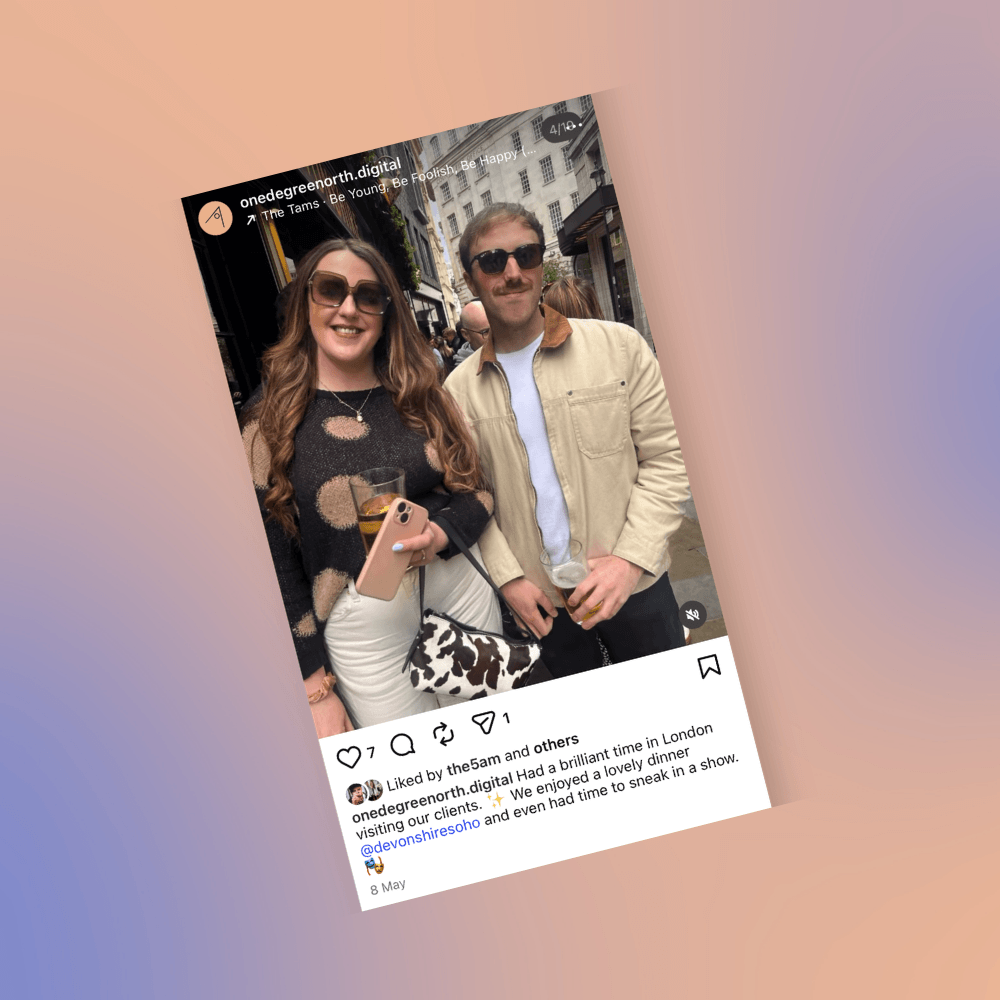
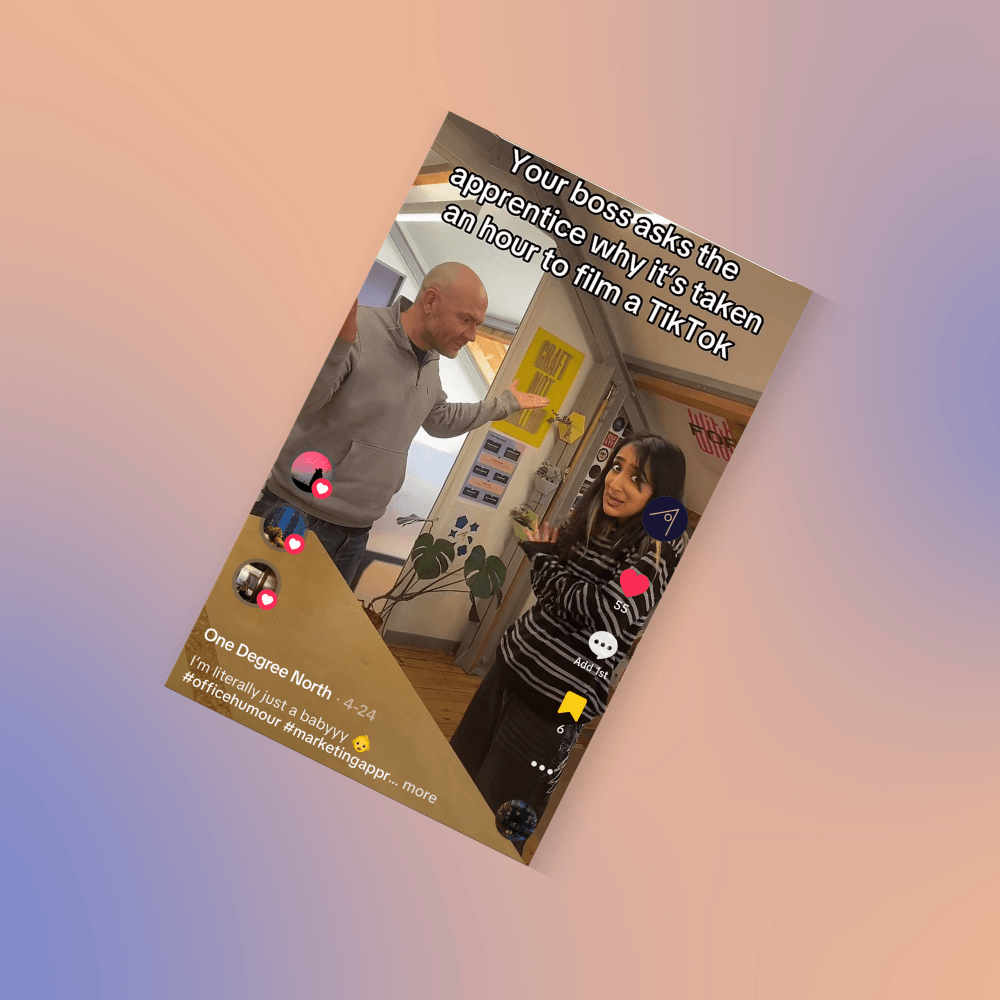
Why: Without clear objectives, social media becomes reactive. You end up posting “to stay active” rather than for a specific outcome.
How: Choose 2–3 core objectives and build everything around them. For example:
Once defined, your content stops being random and starts working towards something measurable.
Why: Different platforms shape perception differently. Treating them all the same leads to diluted messaging and missed opportunities to tailor content to intent.
How: Each platform should have a defined role rather than replicating the same message everywhere. For example:
This doesn’t mean posting completely different content everywhere – it means adapting how it’s told. So content can be repurposed, for example:
Each platform should feel aligned, but not identical.
Why: They are at the centre of it all. Most underperforming content fails not because it is poorly made, but because it is misaligned with what the audience actually cares about.
How: Go beyond demographics and map out real questions, issues, objections and decision triggers your clients have. Use client conversations, sales calls and FAQs to shape content themes. The goal is relevance, not reach for its own sake.
Why: If your tone, visuals or messaging constantly shift, your audience never builds familiarity- and trust takes longer to form.
How: Create a brand guide defining your tone of voice (e.g. authoritative but approachable), visual style, and content principles. Set boundaries on what you will and won’t post so your output feels recognisable and intentional across every platform.
Why: Many professional services firms either over-promote or avoid promotion entirely. The 70:20:10 rule creates balance, ensuring content builds trust before asking for action.
How:
This structure keeps content valuable while still supporting commercial outcomes. You don’t have to stick to this but it’s a good starting point!
Why: Social media is not static. Algorithms, audience behaviour and platform priorities constantly change, meaning strategies must evolve to remain effective.
How: Focus less on vanity metrics and more on signals that matter:
Then go one step further – inform your strategy by looking at patterns, not posts. What topics actually lead to action? What formats get understood, not just seen?
Creating effective social media content isn’t about constantly creating new content but using a variety of formats to communicate valuable ideas in ways that suit both your audience and the platform.
Consider using a mix of the following formats:
Once you’ve chosen your formats, consider incorporating a mix of these content themes:
Law firm example:
Short-form video explaining “3 things businesses get wrong in commercial contracts”, carousel breaking down “what to do if you receive a legal claim”, or a thought leadership post on changes in employment law and what they mean for SMEs.
Accountancy firm example:
Educational reels on “common tax mistakes small businesses make”, infographic explaining year-end deadlines, or a post breaking down recent HMRC updates in plain English.
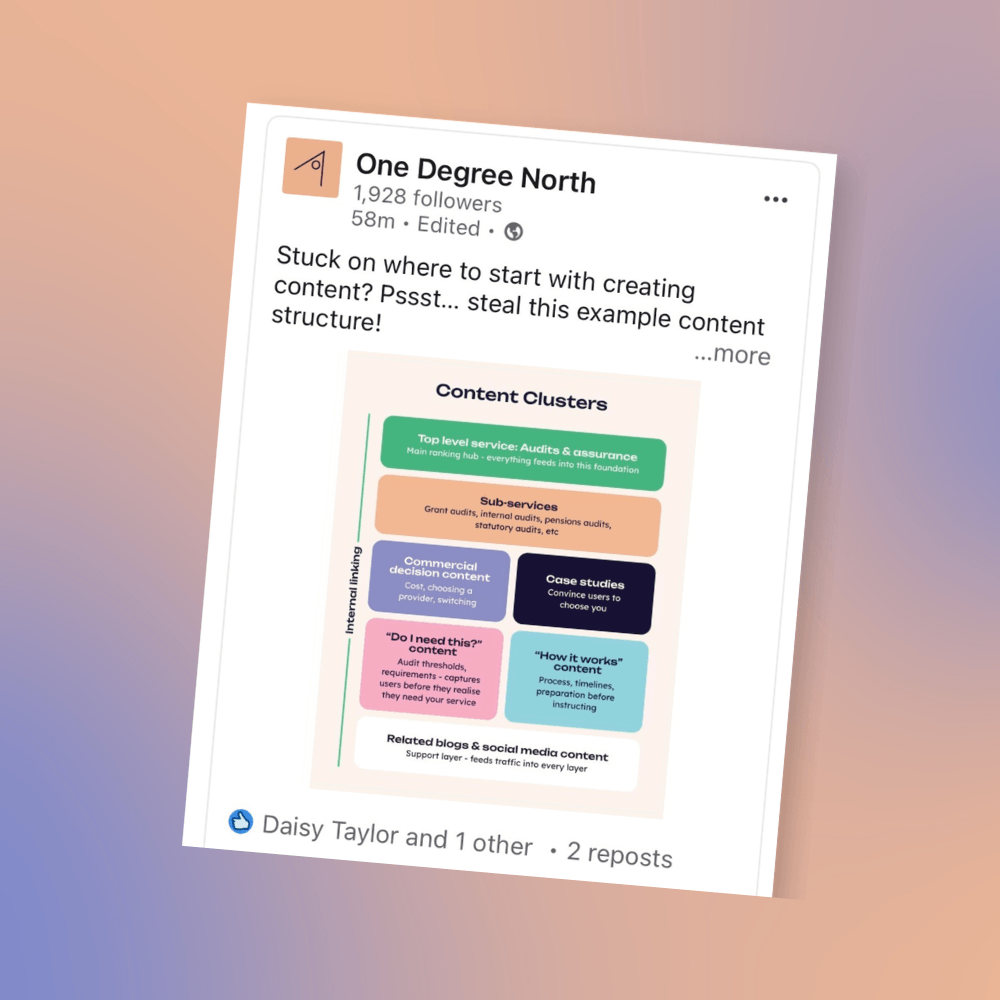
Vasstech: here are some examples we created for Vasstech Garage Services
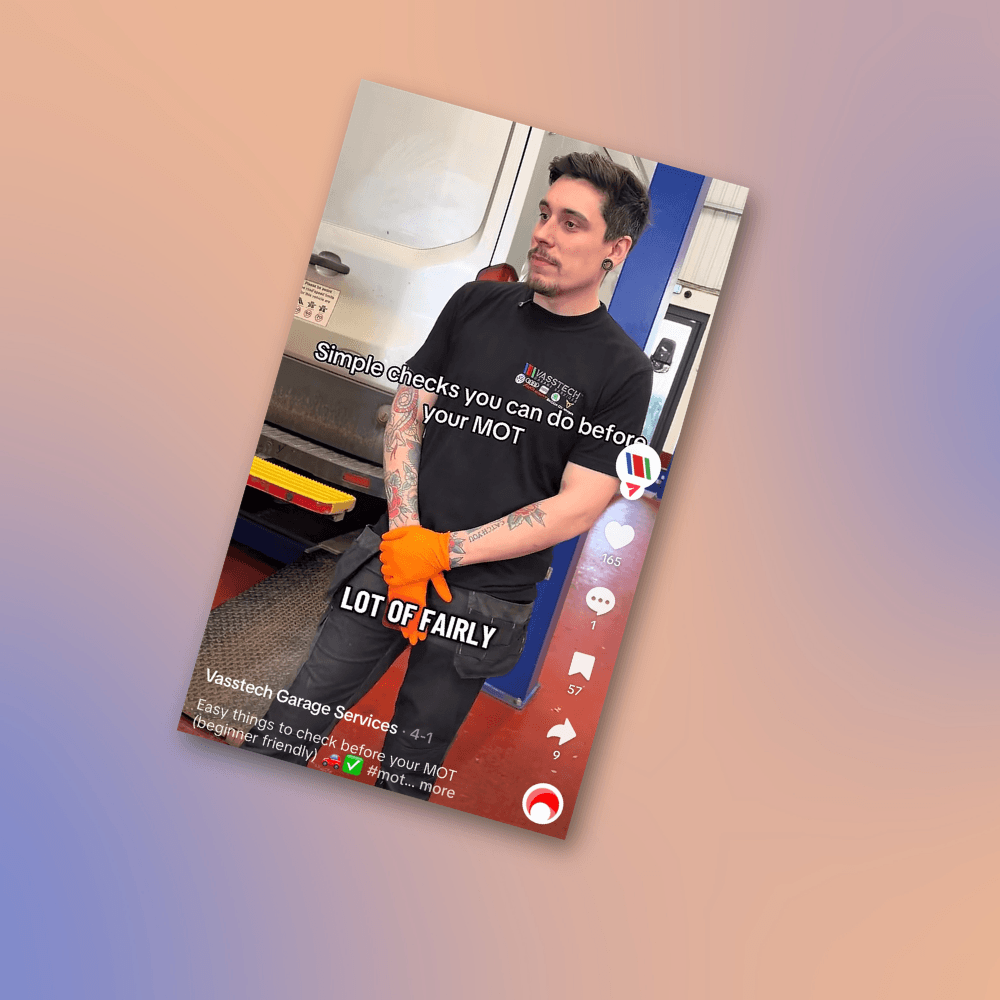
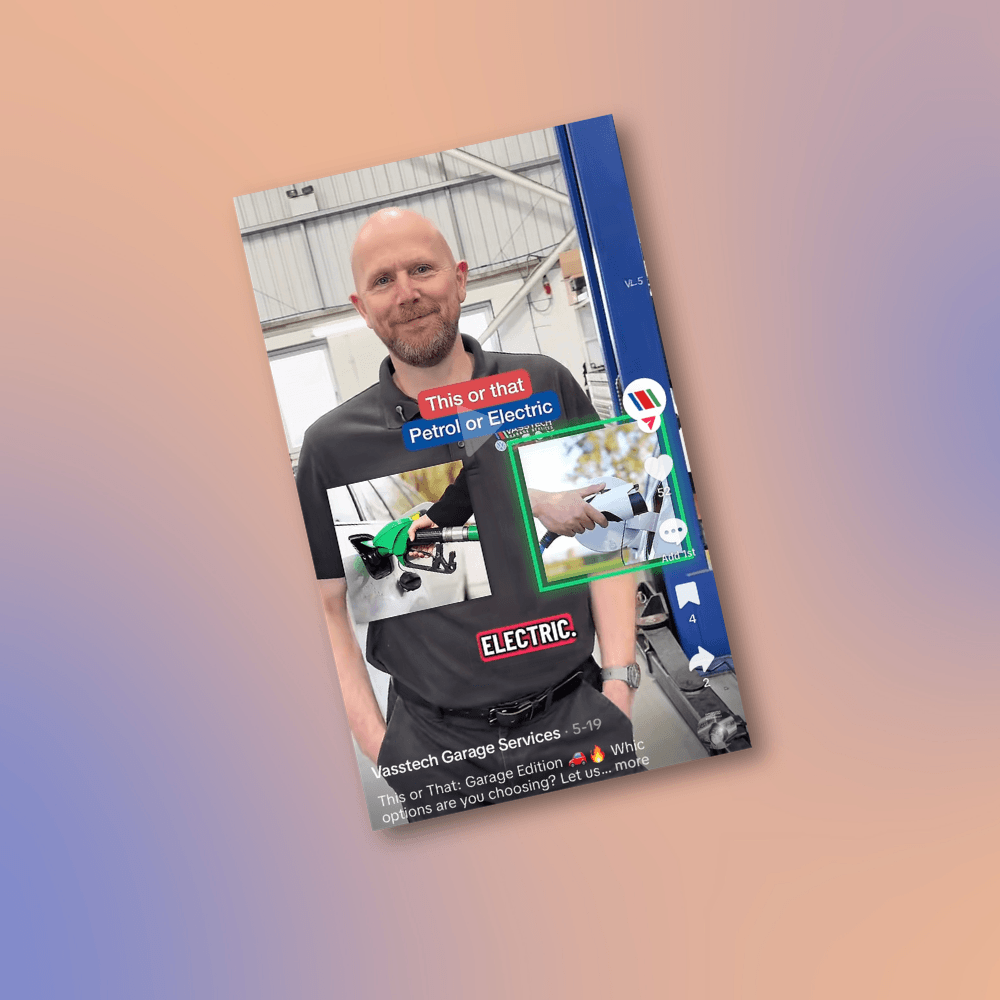
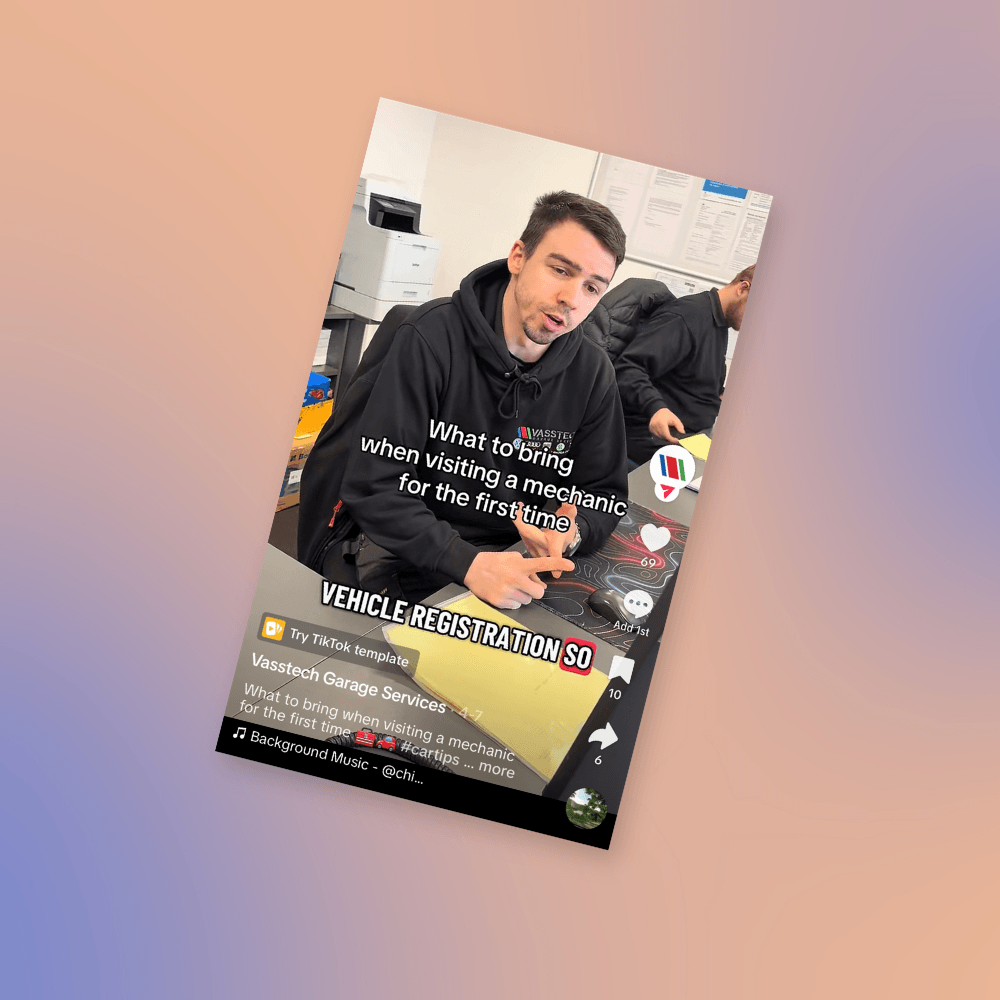
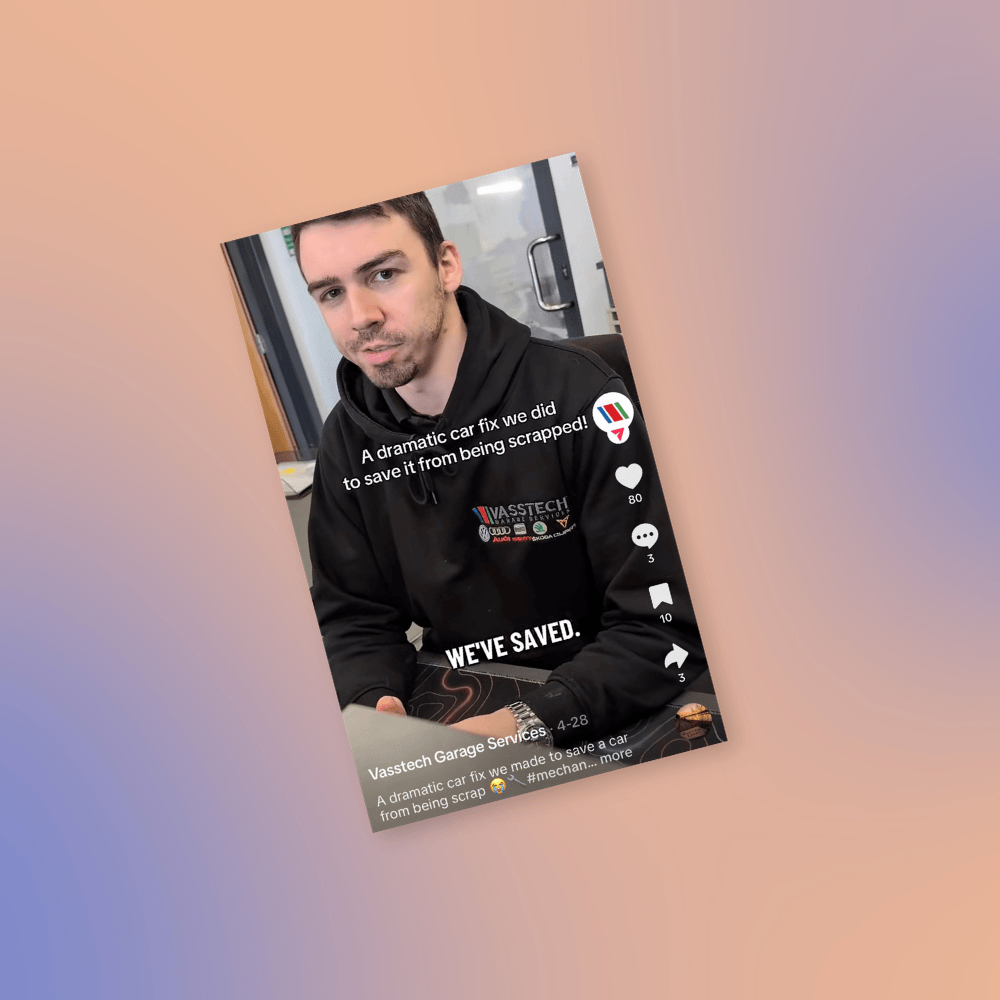
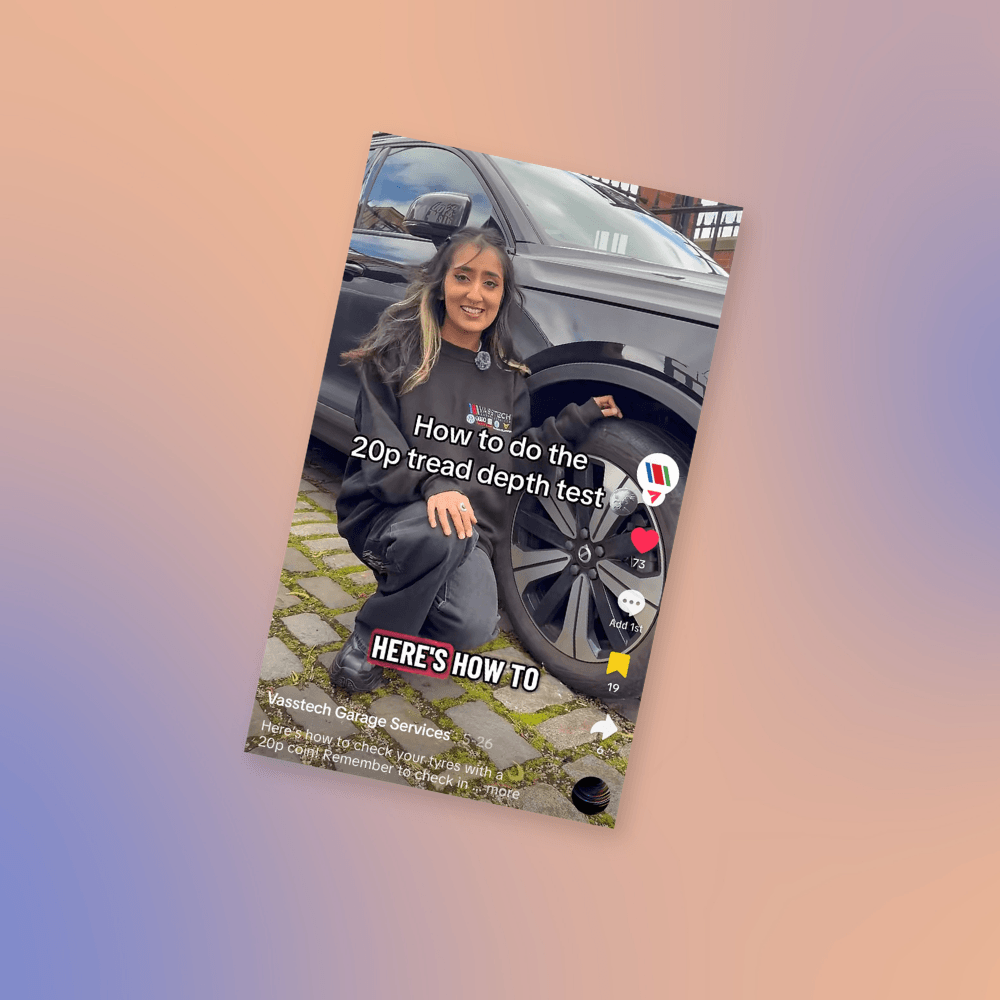
Check out this blog for more search-first social content strategy ideas.
By this point, you hopefully feel a little less intimidated by social media. To round things off, here’s a quick list of social media dos and don’ts to help keep your strategy on track.

Social media is no longer a nice-to-have for professional services businesses. As search behaviour evolves, your audience is researching and validating businesses across Google, AI overviews and social platforms alike.
The good news? You don’t have to sacrifice professionalism or jump on every trend to show up effectively. The key is finding the right balance between credibility and authenticity.
Start with clear objectives, understand your audience, and create content that genuinely reflects who you are as a business. You don’t need to be everywhere or get it perfect from day one – just show up consistently and with purpose.
We’ve seen first-hand that being professional doesn’t mean being faceless. People buy from people, and social media gives you the opportunity to build trust, showcase expertise and create meaningful connections with your audience.
To The Point is a quarterly search-first digital marketing newsletter packed with useful tips, tools and industry updates you should know about, including: