
What law firms should trust AI with (and what they...
- News
- Opinion
- Search

You don’t really know how to use social media to your advantage and posting random tips or trendy videos isn’t helping. Stop guessing what people want and start being found with a search-first social strategy.
This blog will cover:
Let’s be honest: most content strategies start with one of two things – a spreadsheet of post ideas, or a panic-fuelled scroll through TikTok trends five minutes before “we should probably post something”.
Neither is inherently bad. But neither guarantees you’ll actually be found.
Here’s the search-first truth: the most effective content doesn’t shout for attention, it answers questions. It shows up when someone is actively looking for help. Think of it like this: you can shout “we exist!” into the social media void and hope someone hears you… or you can create exactly what your audience is already searching for.
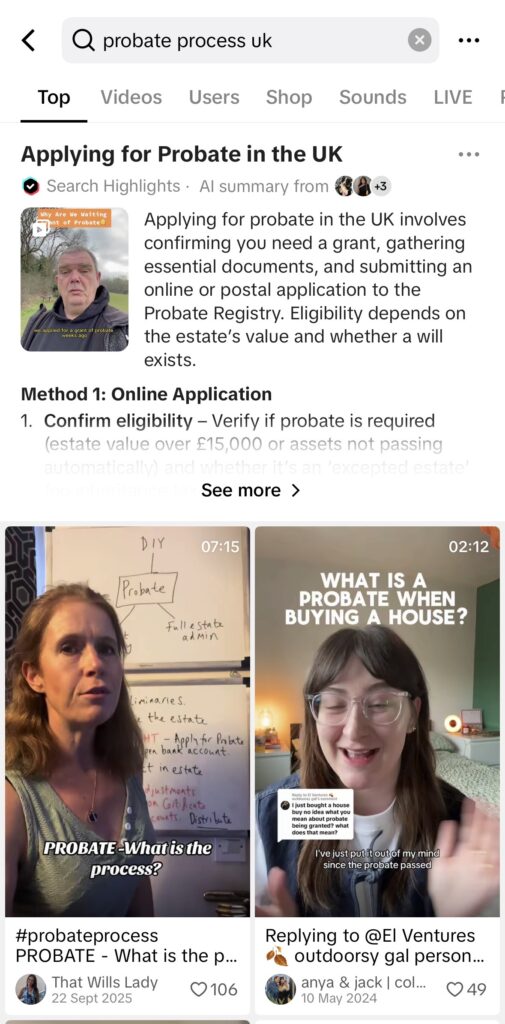
And this matters more than ever, because search-first behaviour is now baked into how people use social media. Alongside doomscrolling, users are actively opening platforms and using the search bar to look for answers; on TikTok, YouTube, Pinterest, and beyond.
They might be searching for advice on buying a house, how to change a tyre, or tips for improving their SEO. Social platforms are no longer just feeds they’re becoming search engines in their own right. TikTok has even introduced AI-powered overviews that summarise what creators are saying across videos, making the experience feel increasingly similar to a traditional SERP.
Being loud might get you a moment of attention, but being findable builds relevance, trust, and longevity. And that’s why a search-first strategy matters more than ever.

Here are our top tips… you should see them as ground rules:
Here’s the thing: most people aren’t on social media looking for services. They’re looking for answers, ideas, or something mildly interesting while avoiding their inbox. So if every post is about what you do, how you do it, or why you’re good at it… it’s probably being skipped.
Don’t just post about the services you offer. Give out free advice. Share things people can actually use, understand, or save for later. Entertain them. Let them get to know you as people, not just a brand name or logo. Putting a familiar face to your content also helps too. Seeing the same people show up builds recognition, trust, and a sense that there are real humans behind what you do.
You don’t need to be everywhere, trying to be will only stretch you thin. Focus on the platforms that suit your audience, the content you enjoy creating, and what you can realistically manage. Whether that’s edutainment, tips, behind-the-scenes glimpses, or thought leadership, match your content to the right platform.
To help decide, start by looking at the platforms you already use – which ones are actually working for you? It’s also worth considering where your competitors are dedicating their time and attention, as this can highlight where your audience is already active.
Social listening tools such as Hootsuite, Sprout Social, and Brandwatch can help you understand where conversations are happening and where your audience spends time. And sometimes the simplest insight comes from asking your clients directly which platforms they use most.
Ask yourself:
Platforms like TikTok aren’t just for trends or dance moves, but they are a chance to be fun, approachable, and human. You can still share information about a “boring” topic in an interesting way, but you don’t need to be dancing or lip syncing in front of the camera. Let people see the people behind your brand. A familiar face and authentic voice make your content memorable and trustworthy.
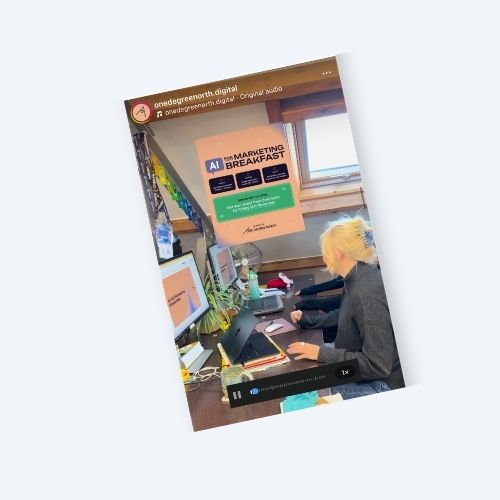
Different platforms have different rules. A LinkedIn carousel can become a short Instagram graphic. A TikTok video can be broken into smaller clips for reels or stories. Repurposing content lets you reach more people without doubling your workload, while keeping your message consistent across channels.
Your top-performing blogs are a great place to start. You don’t need a brand-new idea every day. One strong blog post can be turned into multiple social posts by pulling out key points, questions, or takeaways.
For example, a blog titled “New employment law updates explained simply” could become:
Cutting one strong piece of content up, adding depth, and repurposing what you already have is an effective use of time, and it adds real value.
Content pillars are the main topics your brand consistently posts about. They give your audience a sense of what to expect, and they make planning content much easier. A good rule of thumb: 3-6 pillars is enough to stay focused without feeling limiting. It’s fine to deviate from your pillars every so often, but you should always try to plan around your core topics to stay consistent.
Examples that work well for service-based brands:
Include case studies and reactive industry news to stay relevant.
They keep your content recognisable. When people see your posts, they should get a sense of your brand instantly, even before reading the caption. Pillars also make it easier to repurpose content across platforms because you’re working from a consistent set of themes.
Don’t guess what people want, find out what they’re actually searching for. That’s what makes content discoverable long after you hit “post.”
Usually, this kind of research is done with SEO tools like Google Analytics, Google Search Console, or SEMrush for websites. They show you exactly what queries people are typing to find your content, which pages are performing, and where there’s opportunity to rank. While people might not be searching on social media the same way they do on websites, it’s always a good place to begin for content ideas.
The good news? Most social platforms now have analytics built in too. TikTok, Instagram, LinkedIn, YouTube let you see:
Even clicking on individual posts or videos can give you insight into what people are looking for and how they’re finding you.But to access the in-platform analytics, you’ll need to have started posting! . But don’t worry, if you’re just getting started, you can still uncover searchable content by:
Mix evergreen content (questions people always ask) with reactive content (trending topics or news) to stay relevant. Even without fancy SEO tools, you can start building a content library that gets discovered and remembered.
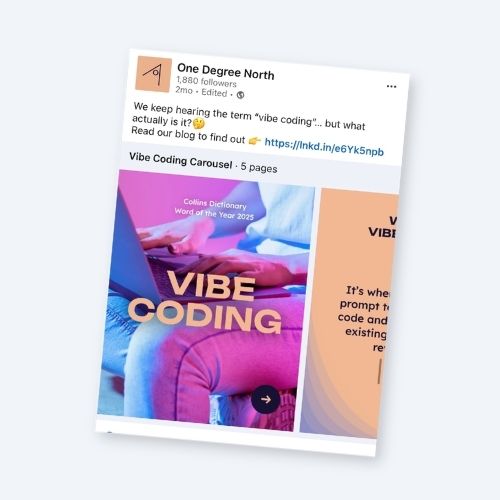


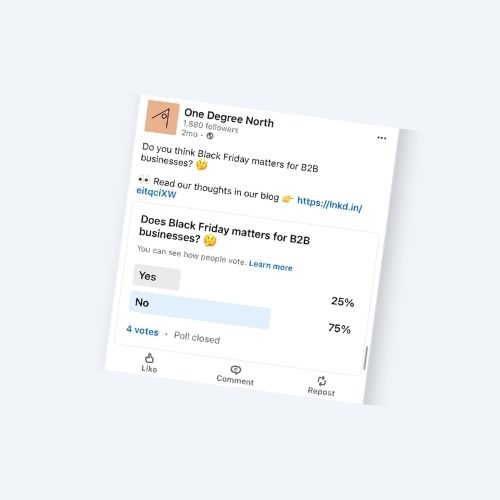
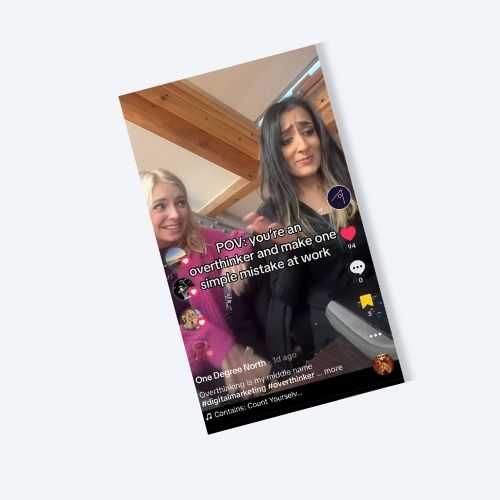
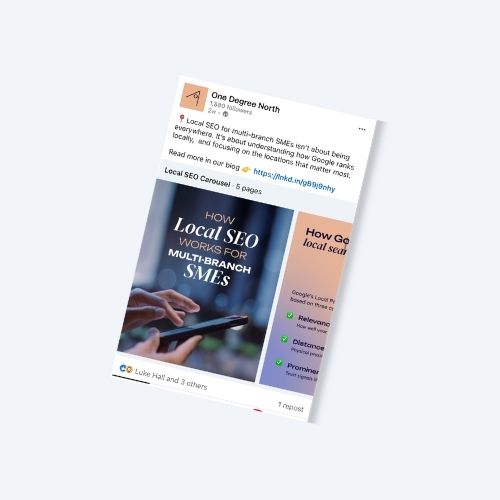
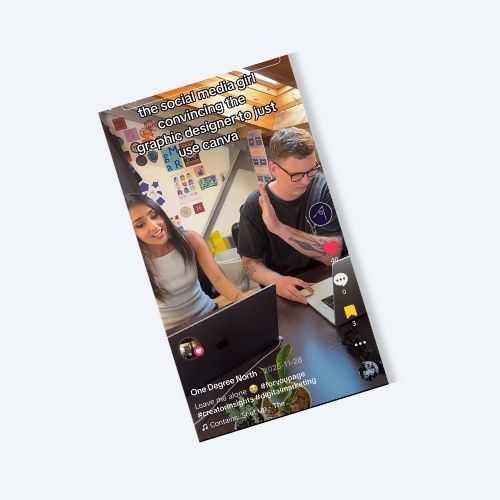
Searchable content doesn’t have to be boring. Even technical topics can be engaging if you break them into quick tips or guides, step-by-step tutorials, short “aha!” videos that educate while entertaining.
The most useful, searchable content won’t get seen if it doesn’t grab attention in the first few seconds. A strong hook is the difference between a scroll past and someone stopping to read, watch, or save your post. Every post needs one.
A hook could be:
The goal: make people feel, “I need to see this.”
People don’t read like they used to. Use: short sentences and paragraphs, bullet points or numbered lists, bold or emoji highlights to guide the eye. The easier your content is to consume, the more likely it’ll be remembered and shared.
What works on LinkedIn won’t always work on TikTok or Instagram:
Tailour your hook to the platform while keeping your content searchable. That way, people find you and stop scrolling when they do.
A strong hook also makes repurposing easier. A LinkedIn post with a clear question can become:
Even accountants, engineers, or other “boring” topics can be made engaging – the trick is to focus on the audience, not the industry jargon, and frame the content around their needs and curiosity.
Consistency doesn’t mean posting every day. It means showing up regularly enough that your audience, and the algorithm, know you’re there.
The easiest way to do this is with a simple content timetable. Plan out your posts in advance and track the key details: date, engagement time, post title, caption, link to the asset, UTM links, platform, and any action required. Having all this in one place takes the guesswork out of posting, helps you stay on schedule, and makes it easier to see the bigger picture of your content strategy.
Decide how often you can realistically post and stick to it. Whether that’s three times a week or once a week, consistency matters far more than volume. Scheduling posts ahead of time removes the last-minute panic and lets you focus on quality, not just getting something out.
That said, consistency doesn’t mean rigid. Leave room to be reactive. If something relevant happens in your industry or a trend pops up that aligns naturally with your brand, it’s okay to shift things around. A strong content mix balances planned, evergreen posts with timely, reactive ones.
The goal isn’t perfection but momentum. Regular posting builds familiarity over time, and familiarity builds trust. Show up often enough, long enough, and the results start to compound.
Posting isn’t the finish line, it’s just the start. Once your content is live, a little post-publish attention can make a huge difference in how long it works for you.
Start by keeping an eye on performance. Check which posts are getting the most engagement, saves, shares, or comments. For social platforms, you can even see what search terms or hashtags are bringing people to your posts, and use that insight to tweak captions or headlines for clarity and discoverability.
It’s also worth thinking about optimisation before you go live – using relevant keywords in your captions and adding clear, keyword-led text on screen can help your content be understood and found more easily from the outset.
Small updates go a long way. You can:
Think of each piece of content as an asset, not an event. The posts that perform well once often perform even better with a few tweaks.
Most people forget: likes are vanity metrics, they are nice but don’t add value to your data. Engagement metrics are only useful if they tell you something about how your content is performing and, more importantly, how it’s helping you reach your audience.
The numbers that really matter are the ones that show intent, interest, and action:
These are the metrics that matter for discoverability, trust, and long-term results, not just temporary attention. If a post gets a lot of likes but no saves, shares, or clicks, it might be fun, but it’s not actually working for you.
Pay attention to signals, not just vanity metrics. Use these insights to refine your content strategy.

The main message: Being loud might get you a few likes. Being searchable gets you noticed, trusted, and remembered. A search-first social strategy isn’t about posting more, it’s all about your strategy. By focusing on useful content, the right platforms, strong hooks, consistent posting, optimisation, and meaningful metrics, your content works harder, reaches further, and builds real connections with potential customers.
Follow these eight rules, and your social media won’t just exist, it’ll get found.